The Palazzo Vecchio Museum is located inside one of the most important historic buildings in Florence, set in the magnificent setting of Piazza della Signoria.
Its history and architecture are closely tied to the political and cultural evolution of the city. Your AGT guide will lead you through all the details related to its history and distinctive architecture.
The construction of Palazzo Vecchio began in 1299 as the seat of the Municipality of Florence, intended to house the Priors of the Guilds, the city magistrates, and the Podestà, the highest authority.
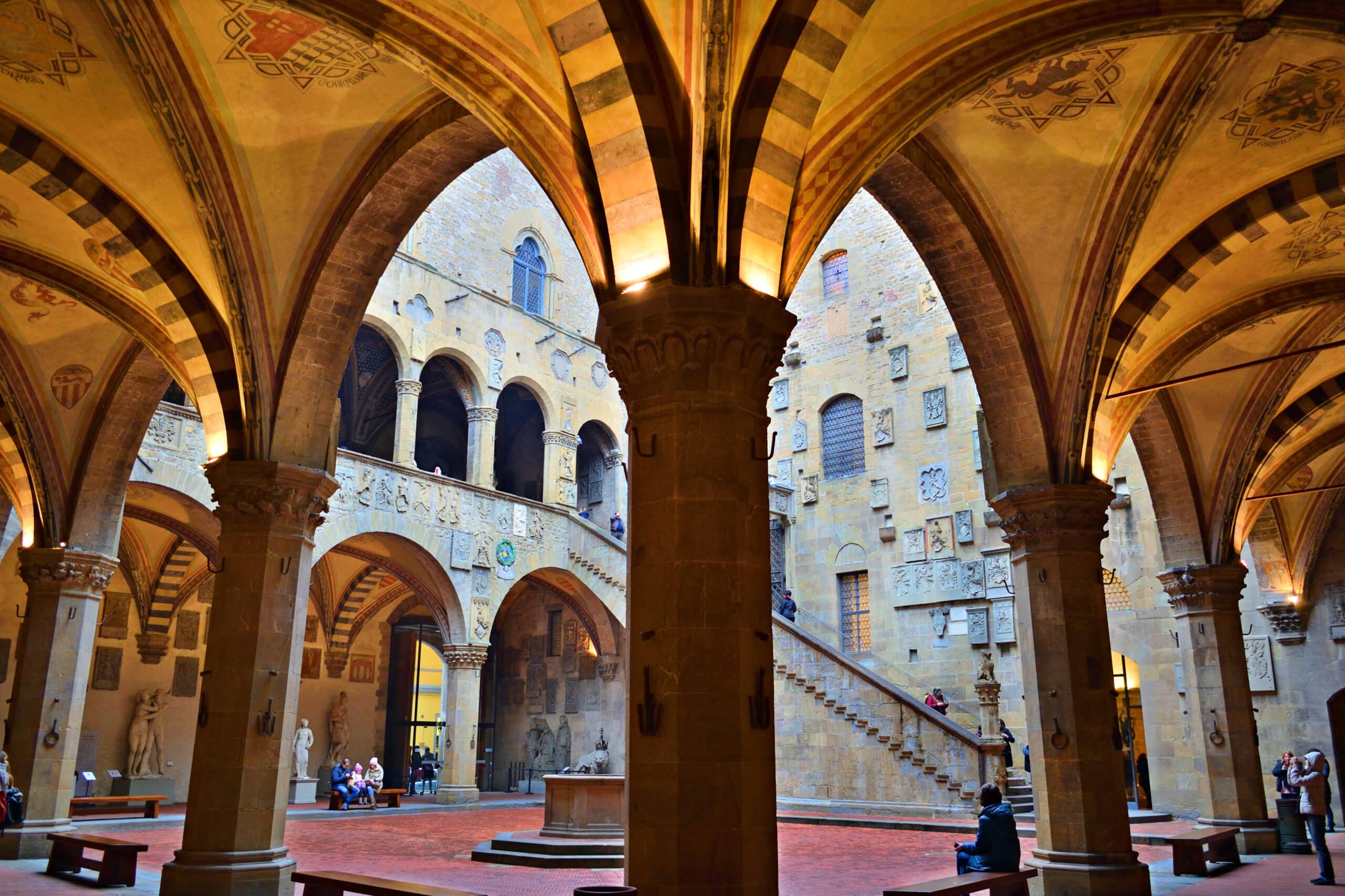
The building was designed by architect Arnolfo di Cambio in Gothic style and was completed in 1314. Later, the palace underwent several changes, including expansions and renovations.
Over the centuries, Palazzo Vecchio has played a crucial role in the politics and history of Florence. During the Medici period, it became the center of power, especially after Cosimo I de’ Medici became Grand Duke of Tuscany in 1537.
Cosimo had the palace renovated, transforming it into a princely residence. Over time, the palace also became a symbol of Medici power and Renaissance art.
The architecture of Palazzo Vecchio is indeed a perfect example of Florentine Gothic style, later enriched with Renaissance and Baroque elements introduced by the Medici family.
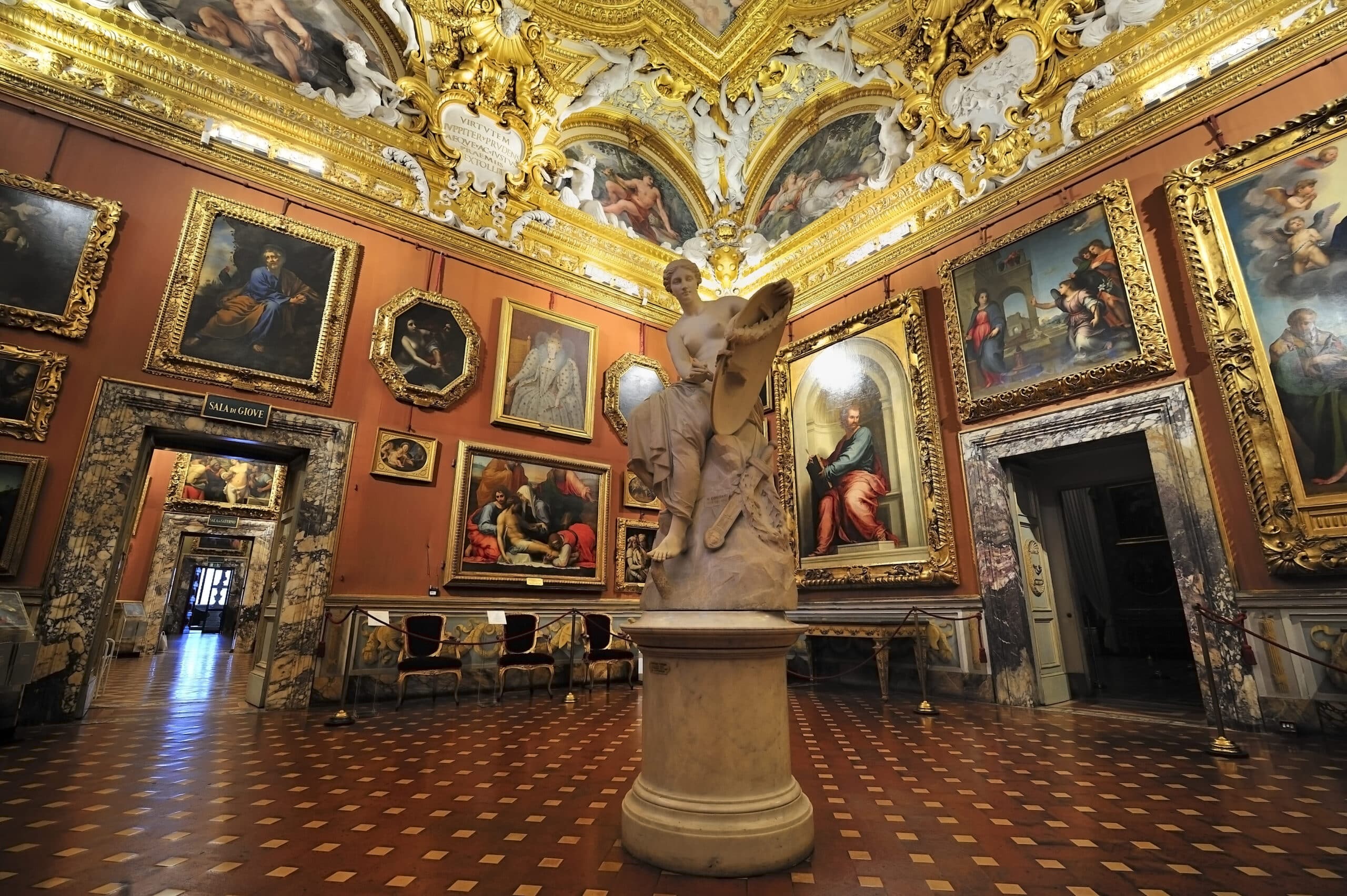
The interior of the palace is rich in artworks that testify to the significant role it has played in the political and cultural life of the city.
During the Medici period, the palace underwent significant Renaissance modifications under the supervision of architects such as Giorgio Vasari and Bartolomeo Ammannati.